Affordable, accessible vaccines & antibodies

We are a nonprofit scientific research organization that develops vaccines and antibodies for HIV, tuberculosis, and emerging infectious diseases.

About us

We take a full-circle approach to product development, from the grassroots level to the lab to legislative bodies.

Mission


To translate scientific discoveries into affordable, globally accessible public health solutions.

Vision


A world where all people have equitable access to innovative vaccines and therapeutics.

Our health areas

  • HIV
  • Tuberculosis
  • Lassa virus
  • Marburg virus
  • Sudan virus

HIV

The challenge

HIV/AIDS remains one of the deadliest infectious diseases, with 1.3 million people acquiring HIV in 2023. Given the complexities of HIV, traditional approaches to vaccine development have so far failed to result in a vaccine that provides protection against HIV. However, a vaccine is still needed to bring a true end to the HIV pandemic. Source: UNAIDS

Our solution

IAVI scientists and our collaborators are developing next-generation HIV vaccines to address the challenges of HIV vaccine design. Together, we have pioneered promising new vaccination strategies and the discovery of broadly neutralizing antibodies (bnAbs) against HIV. IAVI and our partners are developing HIV bnAbs to prevent HIV acquisition while we advance vaccine candidates.

Tuberculosis

The challenge

Tuberculosis (TB) is the world’s leading infectious disease killer. In 2023, 10.8 million people fell ill with TB and 1.25 million people died of TB disease. The only available TB vaccine is the century-old Bacille Calmette-Guérin, or BCG. While this vaccine has efficacy in protecting against severe TB disease in infants and young children, it is largely ineffective in adolescents and adults, among whom most transmission and disease occurs. Source: WHO

Our solution

IAVI works across our global hubs with a diverse network of partners to advance the most promising TB vaccine candidates from discovery through clinical trials, and eventually, to post-licensure access. Our work extends to policy and advocacy initiatives that support TB vaccine development and access in regions where new vaccines are needed most.

Lassa virus

The challenge

Lassa virus is an arenavirus that causes Lassa fever, an acute viral hemorrhagic illness endemic to West Africa that causes significant annual outbreaks of disease. Lassa fever is difficult to diagnose, and surveillance data is limited. Current estimates range from 300,000 to 500,000 cases and 5,000 related deaths each year. No licensed vaccines for Lassa fever exist. Source: WHO

Our solution

IAVI is developing a single-dose vaccine candidate for Lassa that is based on a recombinant vesicular stomatitis virus (rVSV) vector. This technology is similar to that underlying an approved Ebola Zaire virus vaccine. In 2024, IAVI’s Lassa vaccine candidate became the first Lassa vaccine to enter Phase 2 clinical trials, launched in three West African countries. This trial builds on a Phase 1 clinical trial that showed the candidate vaccine was well tolerated and immunogenic over a wide dose range. IAVI also conducts Lassa epidemiological studies, modeling, and community engagement to support future vaccine access.

Marburg virus

The challenge

Marburg virus is a filovirus and the causative agent of Marburg virus disease (MVD), which has a case fatality ratio of up to 88%. Marburg virus has the capacity to cause outbreaks with high fatality rates and is a potential bioterror threat. No vaccines or antiviral treatments are approved for MVD. A Marburg vaccine is urgently needed to respond to future outbreaks. Source: WHO

Our solution

IAVI is developing a vaccine candidate for Marburg that is based on a recombinant vesicular stomatitis virus (rVSV) vector. This technology is similar to that underlying an approved Ebola Zaire virus vaccine, which is now approved by the U.S. FDA and registered for use in several African countries. Preclinical data demonstrates that IAVI’s Marburg vaccine candidate is highly protective in an animal model with one dose.

Sudan virus

The challenge

Sudan virus (SUDV) is a filovirus and causes outbreaks of Ebola disease, most recently in 2025 in Uganda. Case fatality rates of Ebola disease caused by SUDV have varied from 41% to 100% in past outbreaks. The licensed vaccine for Ebola Zaire virus does not provide cross protection against the Sudan strain. A SUDV vaccine is urgently needed to prevent and respond to future outbreaks. Source: WHO

Our solution

IAVI is developing a vaccine candidate for SUDV that is based on a recombinant vesicular stomatitis virus (rVSV) vector similar to the technology underlying an approved Ebola Zaire virus vaccine. During an Ebola outbreak starting in January 2025 in Uganda, the WHO prioritized IAVI’s SUDV vaccine candidate for a ring vaccination trial and delivered the first vaccinations just four days after the outbreak was declared as part of a comprehensive public health response.

Our impact


We conduct preclinical and clinical trials of our own vaccines and antibodies. Our focus is on diseases of global importance for which there is no market and little financial incentive for development. We also collaborate with and support other scientific organizations to conduct their own clinical trials of priority disease prevention and therapeutic interventions.


255 partners from academic, biotech, pharma sectors, civil society, and global health initiatives


53 biologics candidates supported by the IAVI Product Development Center, out of which 25 advanced to clinical trials


70,000 volunteers enrolled in observational epidemiology studies

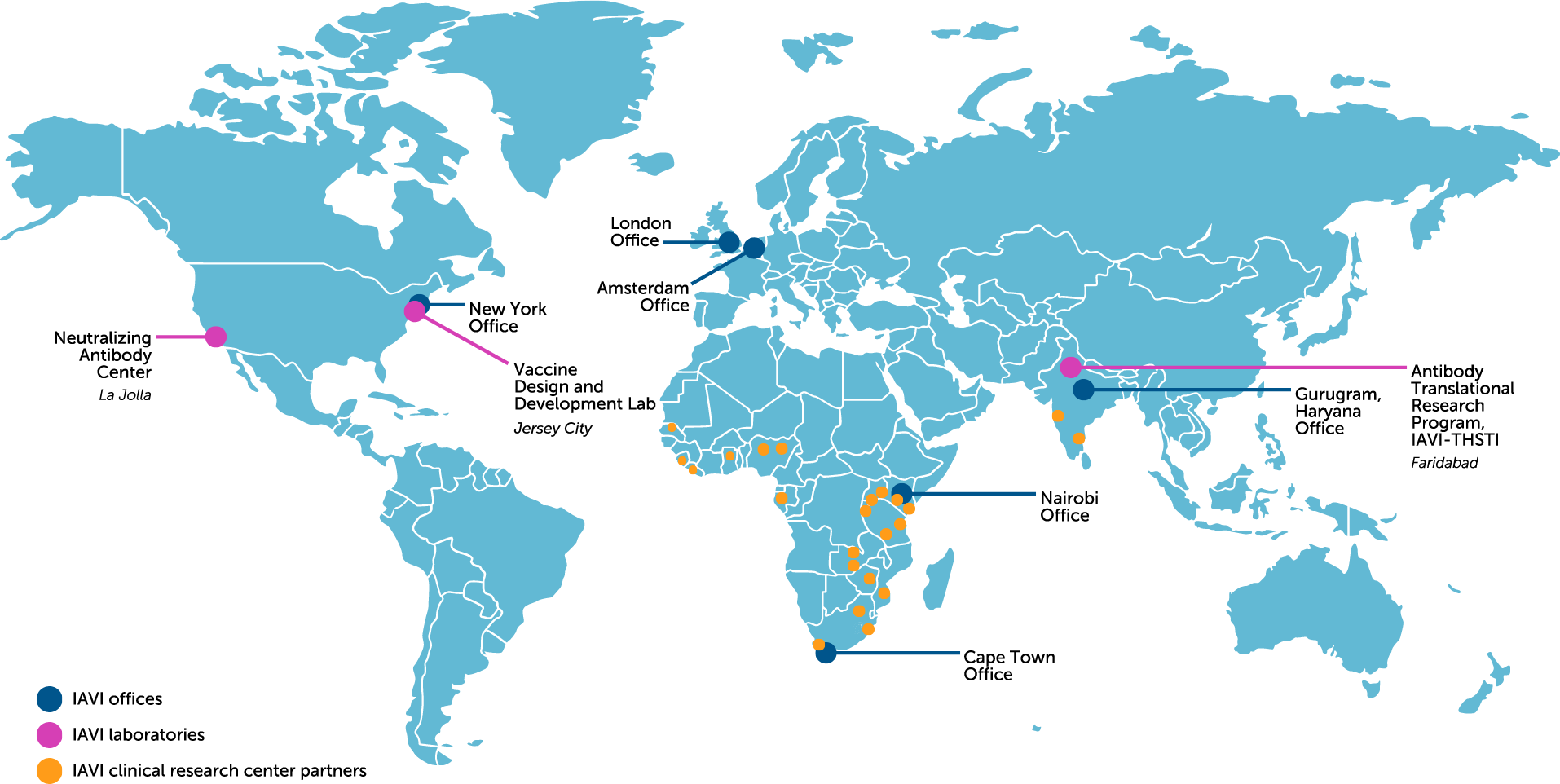
Our locations


IAVI Africa

  • Cape Town Office, South Africa
  • Nairobi Office, Kenya

IAVI Europe

  • Amsterdam Office, The Netherlands
  • Human Immunology Lab, London, U.K.

IAVI India

  • Gurugram, Haryana Office
  • Antibody Translational Research Program, IAVI-THSTI, Faridabad

IAVI U.S.

  • New York Office
  • Vaccine Design & Development Lab, New York
  • Neutralizing Antibody Center, California

Recent news & media

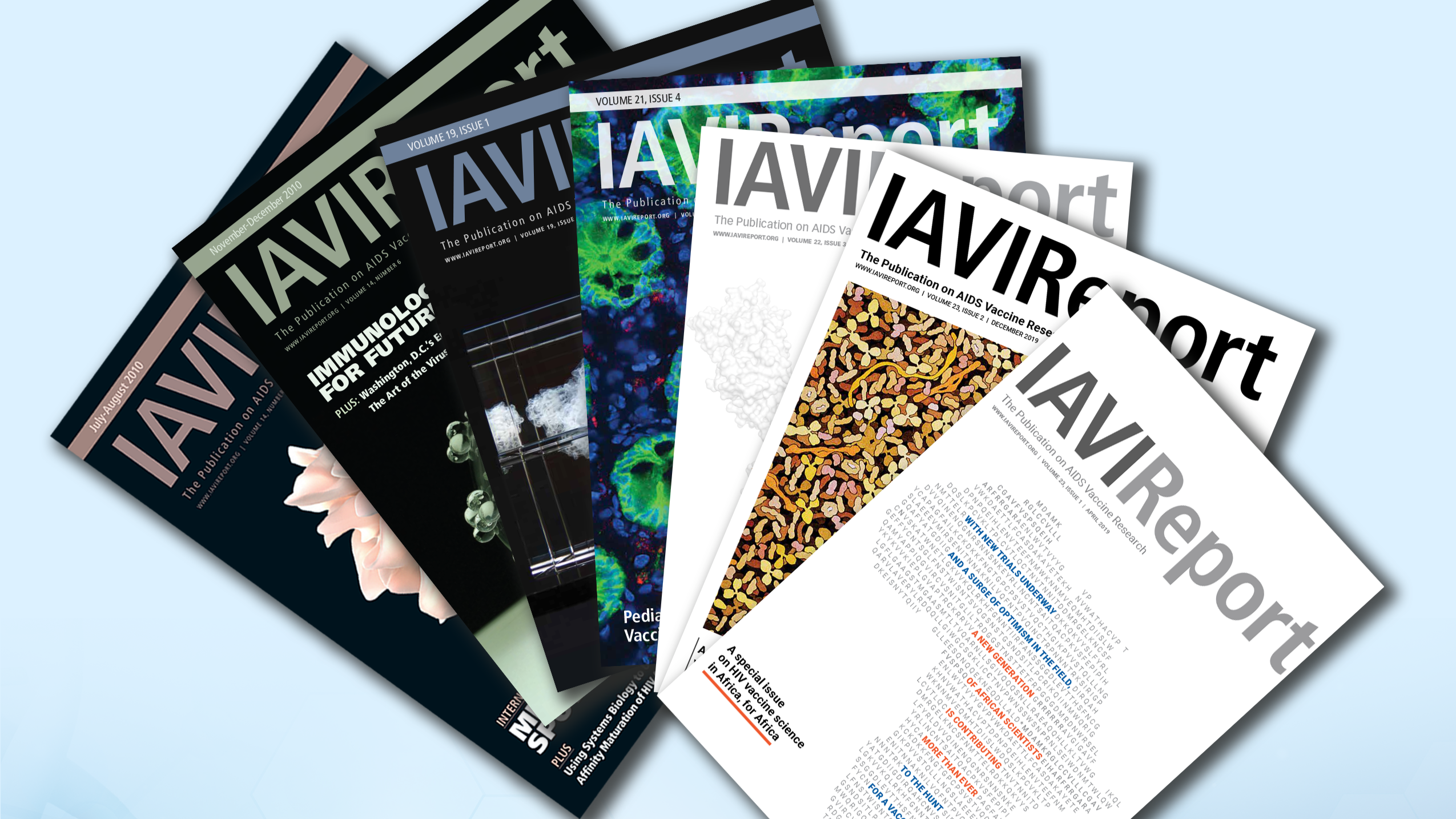
IAVI Report Collage
IAVI Report

A note from the editor

As of 2026, IAVI has decided to cease its publication due to budget constraints that it and many other global public health- non-profit organizations are now facing. It is sad to see this publication, with its rich history tracking HIV prevention research and many other public-health-related stories, end. Over the 30 years since its inception, […]
Read More
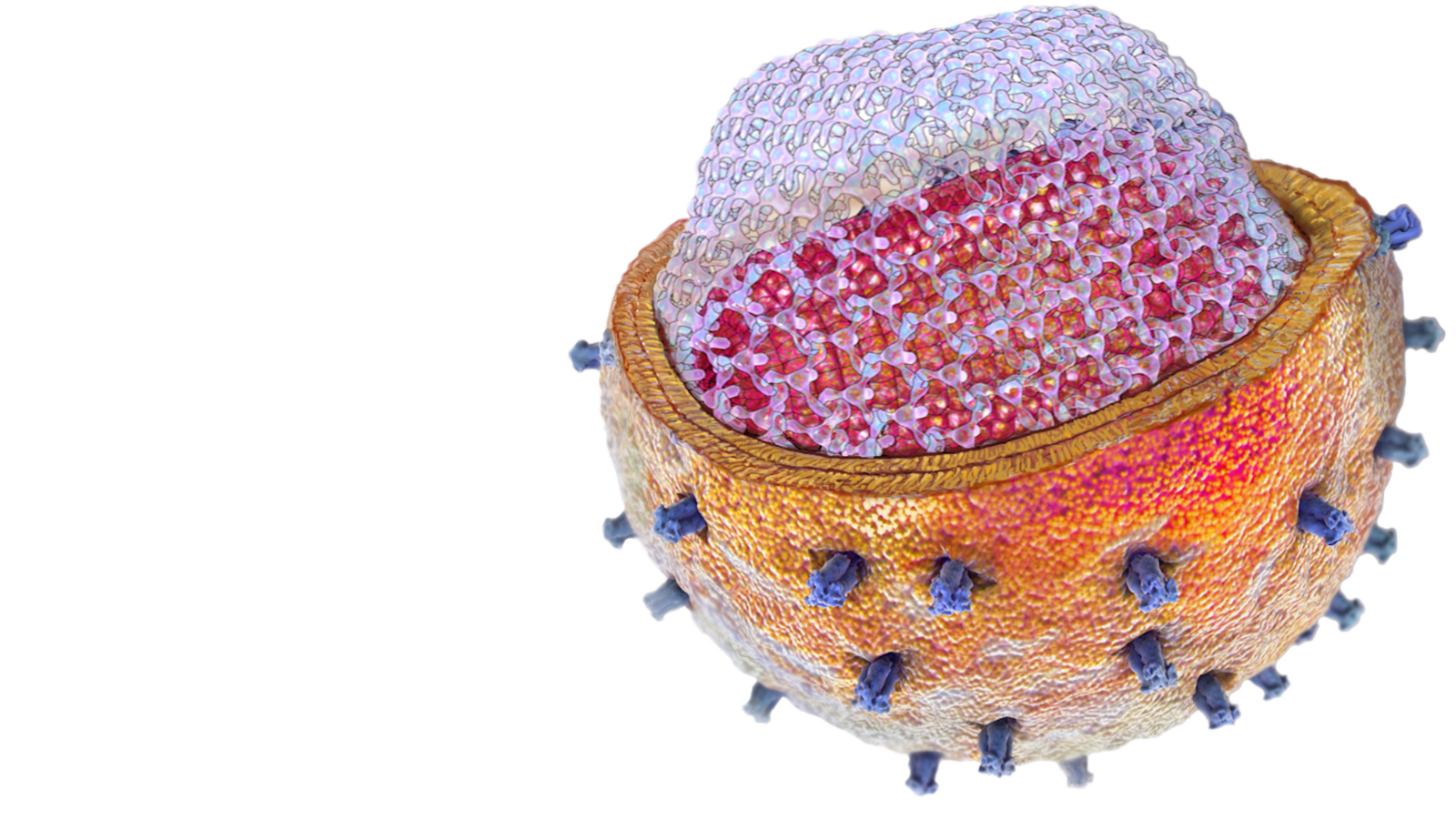
A cross section of HIV
IAVI Report

Fierce optimism despite challenging circumstances

A cut-away of HIV In a perfect world, the final IAVI Report article would commemorate the successful deployment of a highly effective, affordable HIV vaccine in all the places and populations where it is most needed. It is, however, far from a perfect world. War, food insecurity, the effects of climate change, existing epidemics including HIV/AIDS, as well as the promise of future pandemics, are either threatening or destroying the lives and livelihoods of millions of people around the world. Simultaneously, the political commitment to global health and investment in biomedical research
Read More
Cfhr Ndola 104
Features

IAVI Statement on World AIDS Day

Without a doubt, 2025 has brought a host of deep challenges to the HIV field. Funding cuts have affected everything from care and treatment programs to research and development for future products. IAVI, like our peer organizations, has been deeply affected by the changed funding environment; but despite the challenges, we are persevering with the research […]
Read More
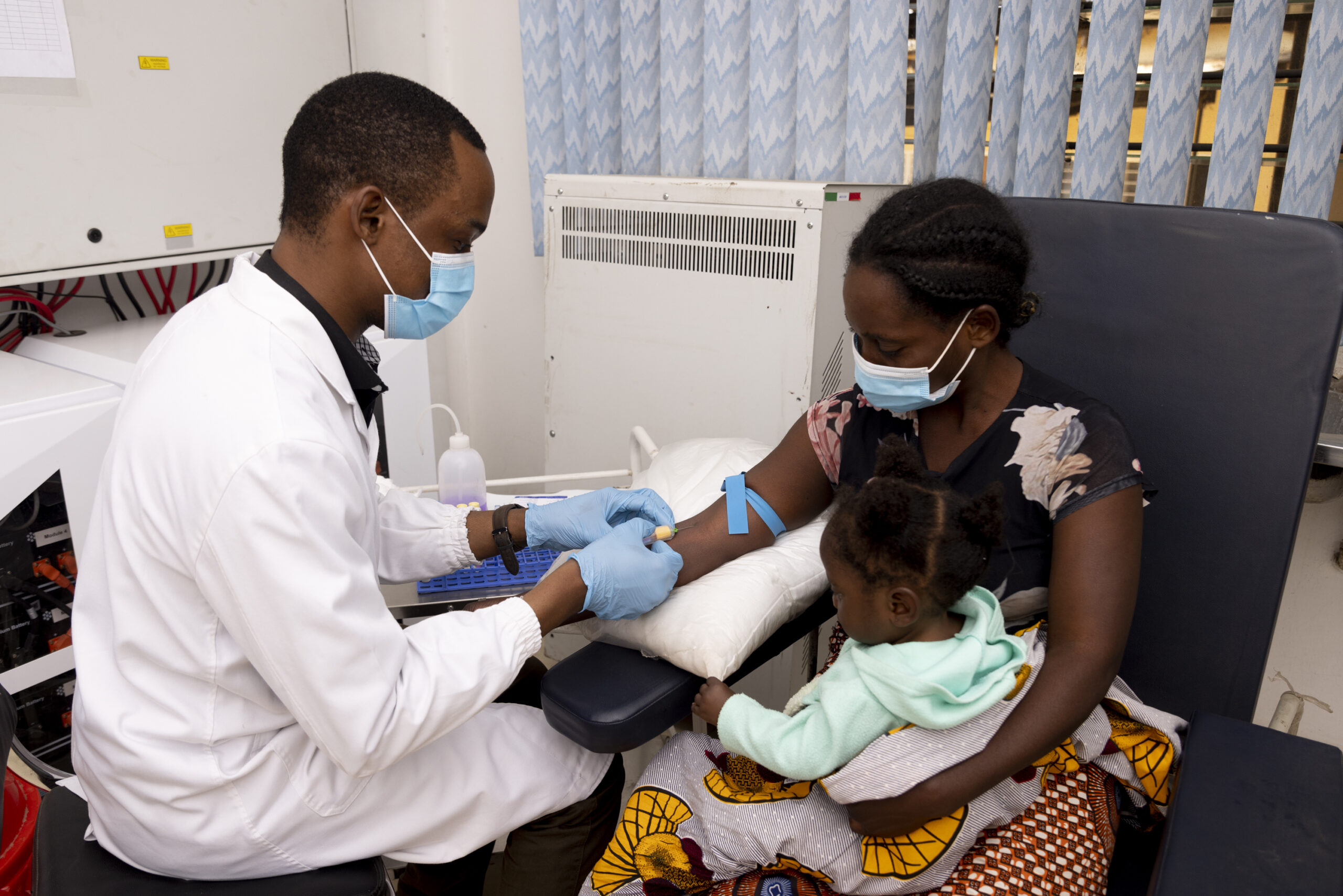
First participant vaccinated in a Phase 1 clinical study of the IAVI Lassa fever vaccine in the PREVAIL clinic, Redemption Hospital, Liberia. Credit: PREVAILFirst participant vaccinated in a Phase 1 clinical study of the IAVI Lassa fever vaccine in the PREVAIL clinic, Redemption Hospital, Liberia. Credit: PREVAIL
Press Release

Encouraging results from a first-in-human Phase 1 clinical trial of IAVI’s Lassa vaccine candidate published in New England Journal of Medicine

Key takeaways NEW YORK, NY – November 6, 2025 – Findings from a first-in-human, Phase 1 clinical trial of IAVI’s Lassa virus (LASV) vaccine candidate published today in the New England Journal of Medicine demonstrate that one dose of the vaccine elicits robust and long-lasting immune responses and has an acceptable safety profile. IAVI, the […]
Read More
Wvc Europe Feature 30 Oct 2025
Features

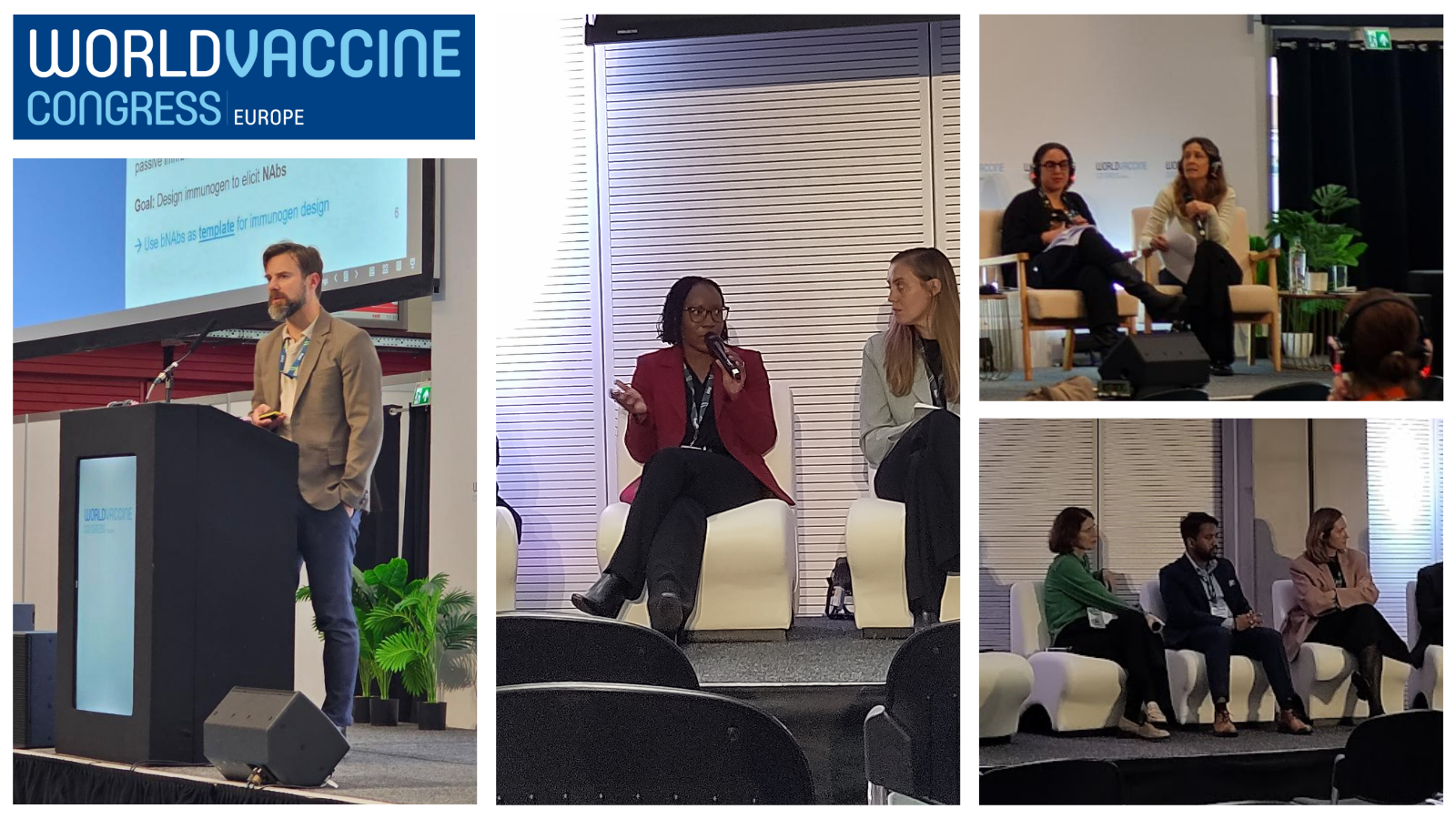
IAVI calls for innovative partnerships to sustain vaccine development at the World Vaccine Congress Europe 2025

IAVI’s leading experts joined The World Vaccine Congress (WVC) Europe in Amsterdam from 13-16 October as the global health field continues to reckon with sweeping funding cuts affecting research capacities. IAVI speakers amplified the call for strategic partnerships and funding approaches to mitigate these seismic policy shifts and sustain vaccine research and development (R&D) efforts, especially […]
Read More
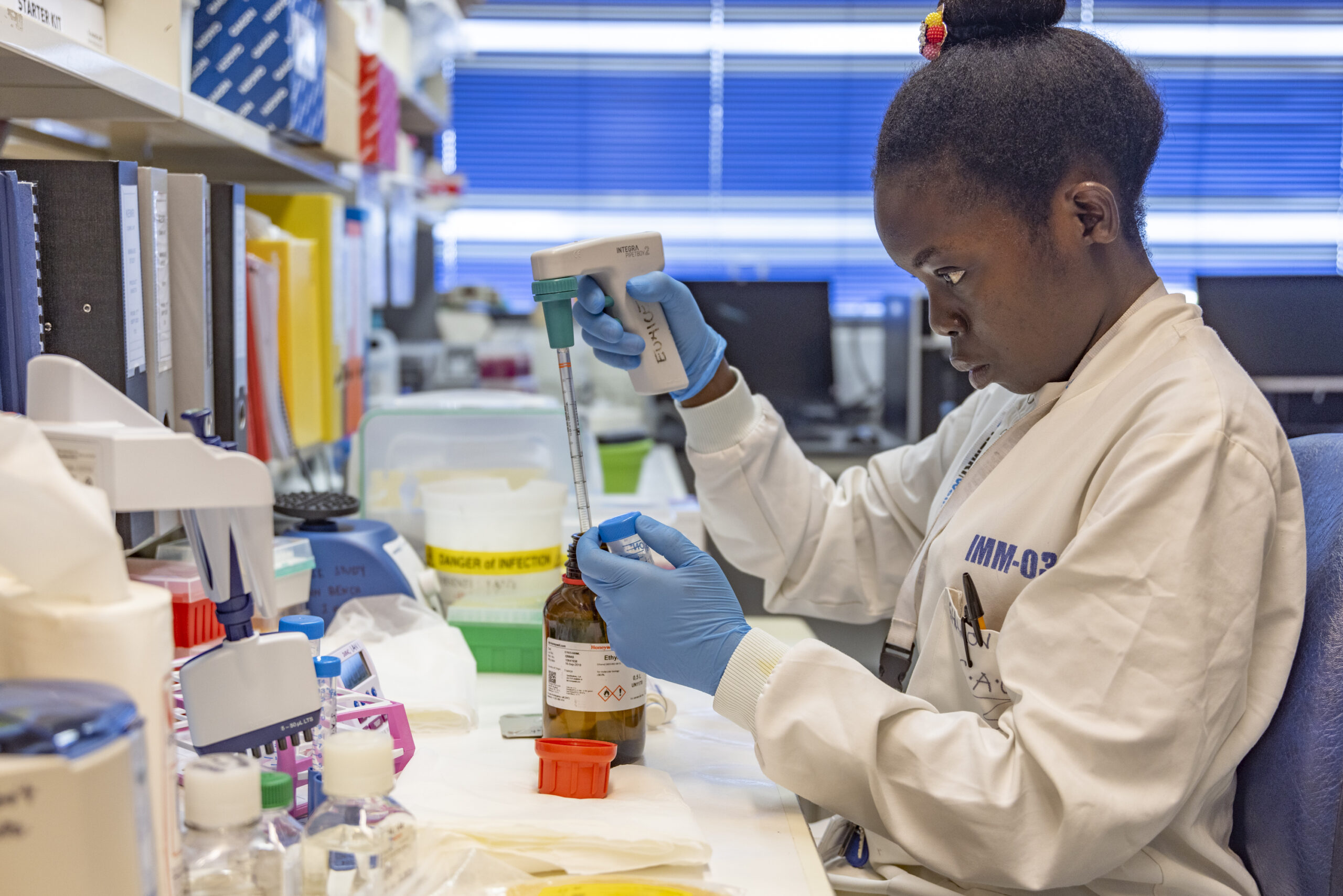
Sharon Owuor testing samples at KEMRI Kilifi on 31st August 2022
IAVI Report

Dedication, not defeat

My first reporting trip to Africa was 16 years ago. I was in Cape Town for the 5th International AIDS Society Conference and to visit several clinical research centers, vaccine trial sites, and laboratories in and around the coastal city, as well as in Johannesburg. This was my first opportunity to witness IAVI’s collaboration with […]
Read More